
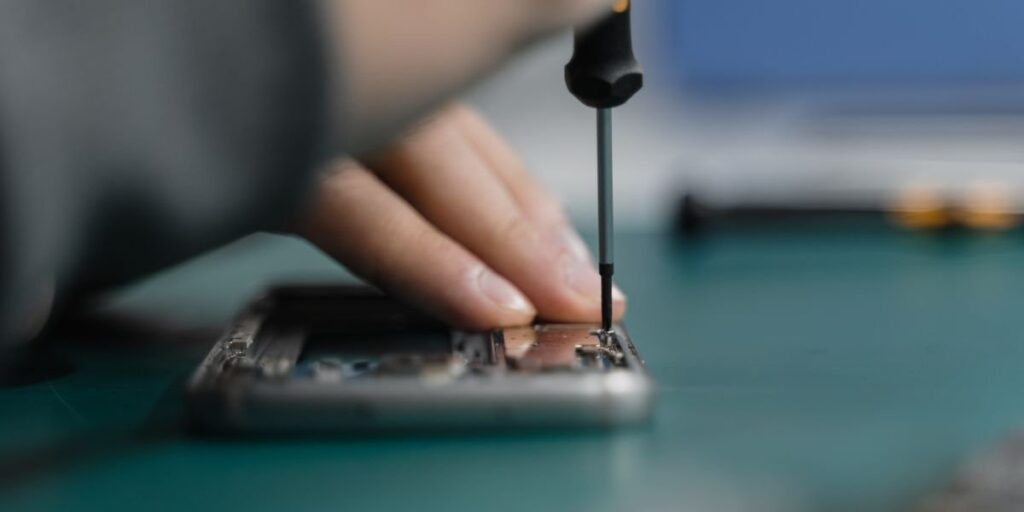
Photo by Tima Miroshnichenko on Pexels
What Does Refurbished Mean in Electronics?
Refurbished electronics are pre-owned devices. They have been inspected, repaired if needed, cleaned, and tested. Then they are resold. They must meet like-new working standards. That’s the refurbished electronics definition in one line. Someone owned the device before. It came back. Then it went through a process to return it to full working condition.
The key difference: refurbished is not the same as “used.” Used means sold as-is. There is no testing and no promise. Refurbished means professional inspection. Most refurbished devices also carry a warranty.
Here’s the catch this guide is built around: “refurbished” is an unregulated marketing term. Anyone can use it. So the word alone tells you nothing. Only the seller’s process, the parts they used, and the warranty terms do.
Refurbished vs. Used: What’s the Real Difference?
A used device is sold as-is. No one inspects it. No one repairs it. It comes with no warranty. A refurbished device is different. A professional has inspected it. It has been repaired if needed, cleaned, and tested. It is restored to full working condition before it is resold.
That process is what you pay for. Sellers of used gear often don’t know a device’s history. So you take on all the risk. Refurbished products come from sellers who check the hardware. They replace bad parts. They stand behind the result with a warranty.
The Refurbishment Process: Step by Step
A typical refurbishment follows a set workflow. First comes inspection and diagnostics, where a technician checks the screen, ports, and internals. Next is repair or parts replacement. Worn parts may be swapped for OEM (original manufacturer) or third-party components. Batteries are often tested to at least 80% health.
Then the device is cleaned and reset. Software is wiped and reinstalled so it feels new. Finally, it goes through testing to ensure everything works before it ships.
That final test is the key step. It’s what separates a refurbished device from a used one. It’s also why most refurbished devices carry a warranty, giving you peace of mind.
Who Refurbishes the Device and Why It Matters
Who does the work decides how good the device is. Manufacturer-certified programs use original parts. They also give you a one-year warranty. Examples are Apple Certified Refurbished and Samsung Certified Re-Newed. Third-party sellers vary a lot. Some, like Back Market, check their refurbishers. Others just clean a screen and ship it.
Certifications are your best clue. R2 Responsible Recycling and ISO 9001 mean a refurbisher follows real testing and safety standards. Without one, you’re trusting a marketing term. Always check the warranty before you buy refurbished electronics.
Where Do Refurbished Electronics Come From?
Refurbished electronics come from five main sources. They are customer returns, trade-ins, demo and display units, overstock electronics, and off-lease corporate devices.
Most of these devices were never broken. People return them for buyer’s remorse, a wrong color, or a small scratch. Stores can’t sell them as new. So they get refurbished instead.
Companies also refresh whole fleets of laptops and phones at once. Each unit is inspected, cleaned and tested. Then it goes back on sale.
Grading Systems Explained: What Do Grade A, B, and C Mean?
Grades describe looks, not performance. Grade A means like new, with little or no visible wear. Grade B shows minor wear, like light scratches. Grade C has clear wear, such as scuffs or dents. Every grade should still arrive in full working condition.
Here is the catch: grading standards vary by seller. One store’s Grade B is another store’s Grade A. These labels are a marketing term used loosely, not a regulated scale.
So before you buy refurbished electronics, read the seller’s own grade definitions. Check photos of the exact unit when you can. A clear grade chart plus a one-year warranty tells you more than the letter alone.
Warranty and Return Policy: What to Expect
A warranty is what separates a good refurbished deal from a gamble. Manufacturer-certified products, like Apple Certified Refurbished, usually carry a one-year warranty. Third-party sellers often give 90 days to a year. Check the warranty before you buy.
The return window matters just as much. Aim for at least 14 to 30 days. That way you can test the device in real life. In the EU and UK, you also have statutory rights that protect refurbished purchases.
Know what the warranty excludes. Most policies skip battery degradation and accidental damage. A warranty plus a solid return window gives you real peace of mind.
How Much Can You Save? Cost Savings Compared to New
Refurbished electronics usually cost 15–50% less than new ones. A recent-model iPhone might cost 20–30% less. A laptop with Intel Core Ultra processors can save you 30–40%. Tablets often fall in the same range.
Savings depend on the device’s age and condition. Older models and lower cosmetic grades cost even less. Even so, most refurbished devices arrive in full working condition. You keep the function and skip the new-device markup.
Environmental Benefits: Reducing E-Waste
Buying refurbished electronics keeps working devices out of landfills. E-waste is one of the fastest-growing waste streams in the world. Every phone or laptop that gets a second life is one less thrown in the trash.
Refurbishing also cuts demand for new manufacturing. Making new devices uses huge amounts of energy and raw materials. So buying a refurbished device is a small, practical way to reduce your footprint.
Common Myths About Refurbished Electronics
Refurbished does not mean broken. Most refurbished devices were never faulty at all — they were simply returned, traded in, or replaced. Each one is still professionally inspected, cleaned and tested before it goes back on sale.
Refurbished is not dirty, either. Sellers clean every unit and replace worn parts like batteries or screens. A device sold as refurbished has been restored to full working condition, not wiped down and boxed up.
And no, refurbished devices do not die young. A tested phone or laptop with a one-year warranty often outlasts a cheap new model. The real risk is a bad seller, not the label.
Is Refurbished Still Original?
Yes — a refurbished device is still an original product, not a fake. It comes from the real manufacturer, like Apple or Samsung, and keeps its genuine model and parts.
What changes is that some components may have been replaced during repair. A new battery, screen, or storage chip can go in, but the device itself is authentic. So refurbished means genuine, just not untouched.
What Are the Disadvantages of Refurbished Electronics?
Here are the main downsides. The warranty is shorter than for new items. The battery may not be new. Specific models may be hard to find in stock. And a third-party refurbisher may do poor-quality work.
A refurbished iPhone might come with only a 90-day warranty. Apple’s standard warranty is one year. So check the warranty and the return policy before you buy.
Is It Good to Buy Refurbished Items?
Yes. For most people, buying refurbished is a smart choice. Just make sure you buy from a seller with a good reputation. The seller must also include a warranty. You save money. You help the planet. And you still get a device that works fully.
Manufacturer-certified refurbished products are the safest bet. They come from the maker. They carry a one-year warranty. And they give you real peace of mind.
Does Refurbished Mean It Was Broken?
No. Most refurbished devices were never broken. They may be returns, overstock, or demo units that still worked fine.
Some units did need minor repairs. But every refurbished device is tested to ensure it works like new before it ships.
Does Refurbished Mean Fake?
No. Refurbished devices are genuine products made by the original manufacturer, not counterfeits. They are pre-owned and restored, not fake.
A refurbished iPhone, for example, is a real Apple device. It was returned, repaired if needed, cleaned and tested, then resold. The brand on the box is real. Only its condition is secondhand.
The Legal Status of ‘Refurbished’: What You Need to Know
In most countries, “refurbished” is not a protected legal term. It is a marketing term anyone can use. So the label alone does not promise anything about how a device was handled.
France is the exception. Since 2022, it has had a legal definition for refurbished products. Sellers there must follow set repair and testing rules. In the US, the FTC’s truth-in-advertising rules apply. But enforcement is complaint-driven. That means bad sellers often slip through until buyers report them.
In the EU, a two-year statutory guarantee applies to refurbished devices. This holds no matter what seller warranty comes with them. That is real protection. Still, your best move is to check the seller’s process. Check the warranty and return policy too. And buy from names you trust.
Parts Provenance: OEM vs. Third-Party vs. Used Parts
Not every refurbished device keeps its original parts. When a device is repaired, the replacement parts can come from three places. OEM (original equipment manufacturer) parts are made by the brand itself. Third-party parts are made by other companies. Used parts are pulled from other devices.
Certified refurbished stores, like Apple Certified Refurbished, often use brand-new OEM parts. Non-certified sellers may swap in cheaper third-party or used parts to cut costs. That can affect how long the device lasts and how well it performs.
So ask before you buy. A simple question — “What parts were replaced, and were they OEM?” — tells you a lot about quality. It also gives you peace of mind.
Battery Health: What the Percentage Really Tells You
Battery health percentage is a snapshot, not a prediction. It shows capacity right now, not how the battery will age next year.
It also hides two things: how many charge cycles the battery has run, and whether it was ever replaced. On iPhone, check cycle count iphone under Settings > Battery > Battery Health. On Android, use a diagnostic app.
For a refurbished phone, aim for 85% or higher. For a laptop, 80% is the floor. A high number with a low cycle count is the best sign.
Why a Grade C Device Can Be More Reliable Than a Grade A Device
A Grade C phone with a new battery and a fresh screen can outlast a Grade A phone still running its original four-year-old battery. Grading only describes how a device looks on the outside — scratches, scuffs, dents. It says nothing about the parts inside.
That’s why a scuffed Grade C unit with a replaced battery and screen often beats a flawless Grade A unit on longevity. When you buy refurbished, ask what was replaced, not just what grade it earned.
What to Check in the First 14 Days After Buying Refurbished
Your first two weeks with a refurbished device are your safety net. Almost every seller gives you a 14- to 30-day return window, so test everything now while you can still send it back.
Start with activation lock status. On an iPhone, confirm no previous owner’s Apple ID is tied to it. A locked device is a brick, no matter how good the price was.
Next, check battery cycle count and SSD SMART data. Cycle count tells you how much the battery has actually been used. SMART data warns you if a drive is failing. Run the built-in diagnostics, then test every port, button, camera, and speaker. Finally, confirm the operating system is a clean install with no leftover accounts or files.
Frequently Asked Questions
What does refurbished mean for a phone?
A refurbished phone is a pre-owned handset that a seller has inspected, repaired if needed, cleaned, and tested to work like new. It is a real iPhone or Galaxy, not a copy.
The catch is that “refurbished” is a marketing term used loosely. Anyone can print it on a box. So check the warranty, the return policy, and who did the work before you buy refurbished phones.
A one-year warranty from Apple Certified Refurbished or Samsung Certified Re-Newed gives you peace of mind. A 30-day promise from an unknown eBay seller does not.