
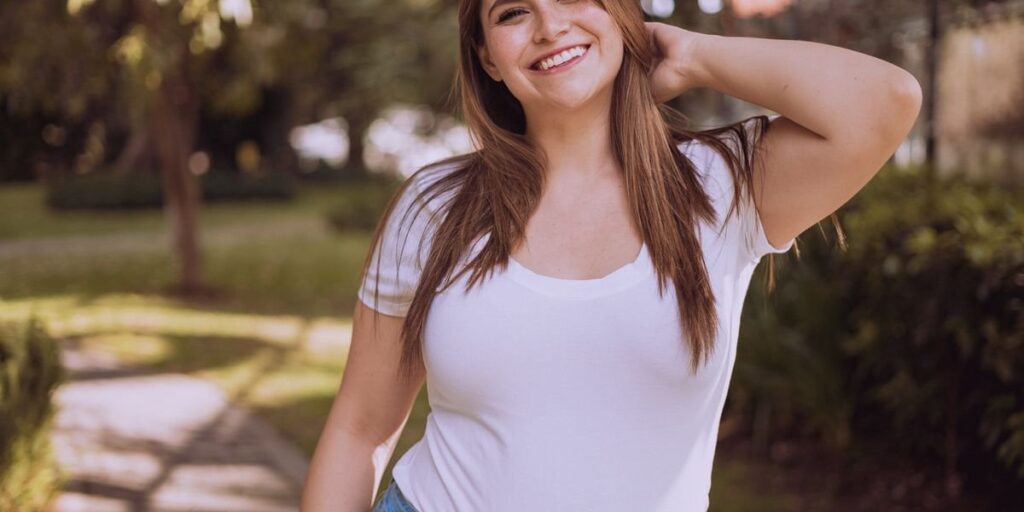
Photo by Los Muertos Crew on Pexels
What Style Dress Looks Best on Plus Size? The Short Answer
Want to know what style dress looks best on plus size? Start with four silhouettes: wrap, A-line, fit-and-flare, and empire-waist. They work on most body shapes. Each one defines the waist and balances your proportions. That way, no single area draws all the eye.
This guide is made for shopping online. You can’t try anything on first. We’ll match these styles to your body shape. Then we’ll cover fabric, size charts, and returns. Your next plus size dress order will be a safe bet.
Why These 4 Silhouettes Work on Almost Every Plus Size Body
Wrap dresses work because the diagonal neckline and waist tie create an hourglass effect. The tie pulls in at your smallest point, so your waist looks defined, not hidden.
A-line and fit-and-flare dresses balance your bust and hips while skimming the midsection. The skirt flares gently away from the body, so nothing clings to your stomach.
Empire waists sit just under the bust. They skim the midsection and make your torso look longer.
Your body shape, not your size, decides which one wins. A pear shape may love A-line. An apple shape often prefers empire.
Wrap Dresses: The Adjustable Waist That Creates an Hourglass
Wrap dresses are the most recommended style for plus size bodies because the waist tie lets you set the fit yourself. A surplice neckline — where one side of the fabric crosses over the other — forms a V that draws the eye upward toward your face. The tie then pulls in at your natural waist, so you get a defined waist instead of a straight line.
A faux wrap dress plus size shoppers can buy works the same way, but the crossover is sewn shut and the waist is fixed. Real ties adjust to your shape; faux-wrap closures keep the look smooth and simple. Either version flatters apple, pear, hourglass, and rectangle shapes, because the diagonal line creates curve where there isn’t any.
A-Line and Fit-and-Flare: Balancing Bust and Hips While Skimming the Midsection
A-line and fit-and-flare dresses flatter because they have a defined waist seam with a skirt that flares out over the hips and thighs. That flare hides the midsection and balances a fuller bust or hip.
These cuts suit pear, hourglass, and inverted triangle body shapes especially well. Fabric matters too: ponte and crepe hold their shape and skim smoothly, while stiff cotton can add bulk.
Empire Waist Dresses: Skimming the Midsection Without Compression
Empire waist dresses flatter a large stomach. The seam sits just under the bust. The skirt flows straight past the midsection. No squeezing. No cling.
They suit apple, pear, and hourglass shapes alike. They work well for anyone who wants to skim the tummy rather than compress it. One caution: skip babydoll cuts. They add volume instead of hiding it.
V-Necks and Neckline Strategies: Drawing the Eye Upward
V-necks, surplice, and off-the-shoulder necklines pull the eye up and lengthen the torso, which balances your proportions. Match the neckline to your body shape: V-necks suit apple and inverted triangle shapes, an off shoulder plus size dress flatters pear shapes by widening the shoulder line, and halters highlight an hourglass shape.
If you want to de-emphasize broad shoulders, skip high necklines. They add width up top. A deeper neckline always reads longer and leaner.
Bodycon Dresses: Yes, They Can Work—If the Fabric Is Right
Bodycon dresses can flatter a plus size figure. But this only works when the fabric does the work. Supportive knits like ponte, scuba, and 4-way-stretch jersey smooth and hold your shape. Stiff cotton and clingy polyester grab every lump and bump.
Hourglass and rectangle shapes wear bodycon most easily. An apple shape can too. Layer it under a structured blazer that creates a defined waist.
Ruched and Draped Details: Subtle Tummy-Flattering Techniques
Ruched midi dresses and draped wrap fronts flatter a large stomach without squeezing it. Ruching is fabric gathered into soft folds, and those folds blur the midsection while adding shape.
Gathered seams at the waist do the same job. They pull the eye to a defined waist and away from the tummy. These tricks suit apple and rectangle shapes best.
Peplum and Waist-Defining Details: Creating Curves Where You Want Them
Peplum dresses and tops create curves at the hip, which makes the waist look smaller. That flared ruffle works best on a rectangle shape, since it builds the waist definition that straight figures lack.
Belted dresses, tiered skirts, and color blocking at the waist do the same job. Skip peplum if you carry weight in your midsection and would rather skim it.
Fabric Choice and Structure: The Real Fit Determinant
Fabric matters as much as silhouette. Structured stretch fabrics hold their shape and skim your curves. Ponte, crepe, and doubleweave are good examples. Stiff cotton and clingy jersey do not work. Stiff cotton tents out. Thin jersey shows every lump.
Match fabric to body shape. Ponte and doubleweave suit apple and rectangle shapes that want smoothing. Crepe drapes well on pear and hourglass shapes. Scuba gives bodycon styles support. In summer, ponte runs too warm. Choose linen or crepe instead.
How to Identify Your Body Shape (and What to Do When It Changes)
Measure your bust, waist, and hip at their fullest points. Compare the three numbers. A wider waist points to an apple shape. Hips wider than your bust suggest a pear shape. Balanced bust and hips with a defined waist mean hourglass. Similar measurements all around mean rectangle. Broader shoulders than hips mean inverted triangle.
Your shape can shift with weight changes, pregnancy, menopause, or aging.
When your shape feels unclear, go back to the four silhouettes that always work, and let fit—not a category—guide you.
How to Shop for Plus Size Dresses Online Without Trying Them On
Shopping online works when you trust numbers, not size letters. Your usual size means nothing across brands, so measure your bust, waist, and hips and match them to each brand’s size chart.
Check whether the product page lists the model’s height and measurements. That tells you where a hem will actually land on your body, not on a stranger’s.
Read reviews from shoppers with body shapes like yours. They reveal real fit details—whether a defined waist sits too high or a skirt runs short.
Between sizes? Order both. Returns are cheaper than settling for a dress that pulls at the seams.
What to Do When the Dress Doesn’t Work: Returns, Exchanges, and Tailoring
Plus size shoppers face more return friction than straight-size shoppers, so treat every order as a low-risk trial. Buy from brands with free returns, and know that a tailor can take a dress in far more easily than letting it out. Plus size patterns often have minimal seam allowance, so when in doubt, size up.
Budget $15–$30 for alterations. A tailor can nip a waist, shorten a hem, or adjust straps. They can’t add fabric that isn’t there, so don’t count on letting out a tight bodice.
When the Rules Don’t Apply: Dressing for Comfort, Style, or Sensory Needs
Not everyone wants body-shape advice, and that’s fine. If you love Lagenlook—loose, layered, flowing pieces worn in intentional tiers—that’s a real style, not a cop-out. Comfortable plus size dresses can be the whole point, not a compromise.
Dress for sensory needs, aesthetic joy, or pure ease. Make it look deliberate with one clear focal point: a great color, a standout fabric, or one sculptural layer. The only rule is wearing what makes you feel confident.
Frequently Asked Questions
What dress styles are most flattering for plus size figures?
Wrap, A-line, fit-and-flare, and empire-waist dresses top the list. Each one defines the waist and balances your proportions, so they work across most body shapes.
What dress styles flatter a large stomach?
Empire waists and A-line dresses skim the midsection without squeezing it. Ruched and draped details also help by adding shape instead of tension.
How can plus size women dress classy?
Choose structured fabrics like ponte or crepe, keep prints and details simple, and make sure the dress fits at the shoulders and waist. Good fit reads as classy faster than any trend.
How can plus size women avoid looking frumpy?
Skip stiff, shapeless fabrics and oversized cuts that hide your waist. A defined waist, a V-neckline, and the right length do most of the work.
What plus size dress is best for a wedding?
It depends on the dress code. A fit-and-flare in crepe suits formal weddings; a wrap dress in a dressy print works for semi-formal. Match the fabric to the venue.
What plus size dress styles work for a rectangle shape?
Rectangle shapes look best in styles that create curves: peplum, belted waists, tiered skirts, and fit-and-flare. Wrap dresses add a waistline you can tighten.
How do you style a high low dress for a plus size body?
Keep the hem as the focal point. Add heels to elongate the leg, choose a defined waist, and keep accessories minimal so the high low dress stays the star.
The Bottom Line
Start with wrap, A-line, fit-and-flare, and empire-waist dresses. These styles flatter most plus size body shapes. Then match the silhouette to your shape. Pick fabric with real structure. Shop with a low-risk plan: free returns, two sizes when unsure, and a small tailoring budget. Build a mental shortlist of your trusted silhouettes. Shopping gets faster every time.